


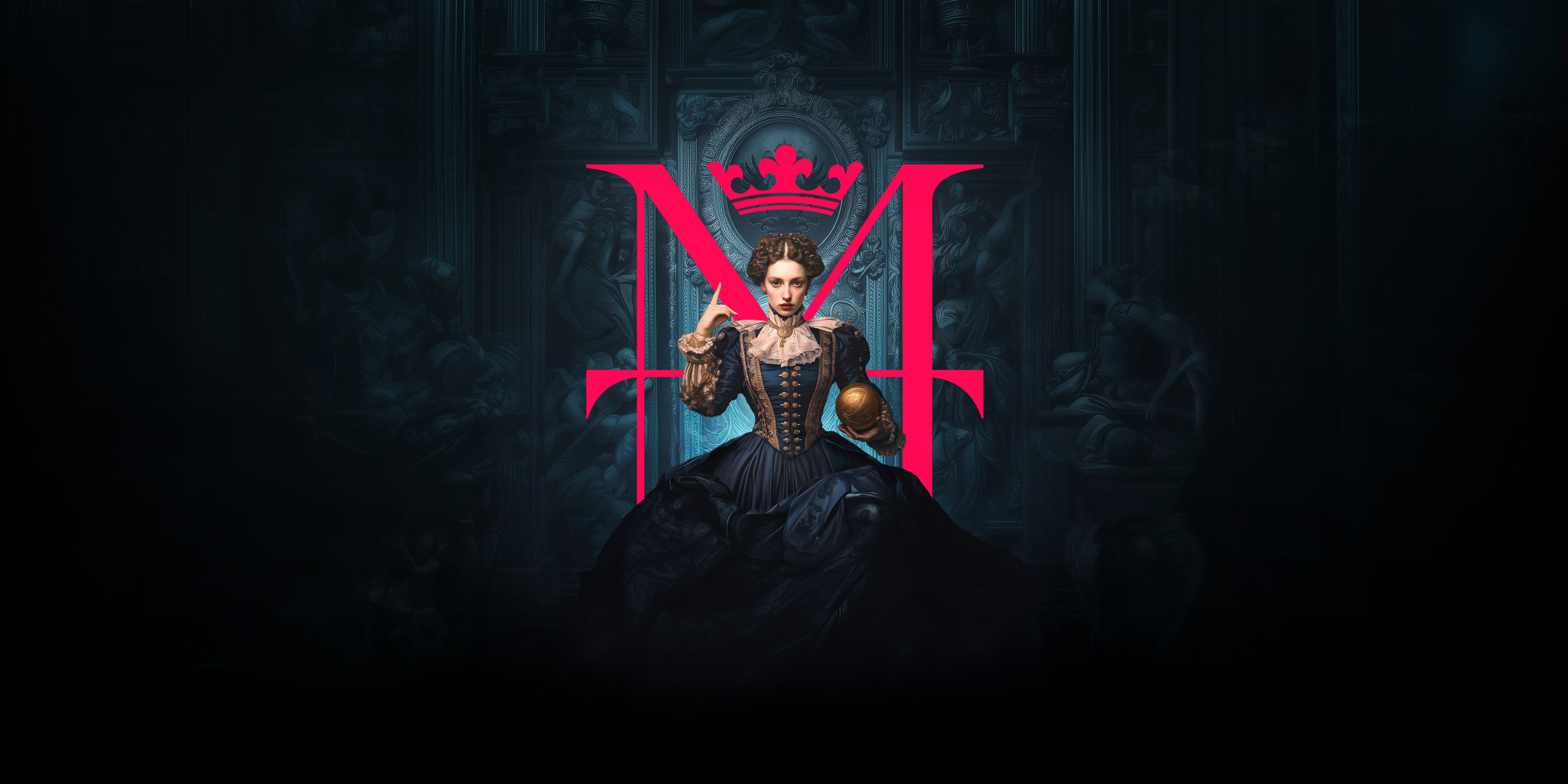

MARIA THERESIA - THE MUSICAL
WORLD PREMIERE 2025

Credits & Keyfacts
- World Premiere:
2025 Austria / Vienna (Ronacher/VBW)
- Music, Orchestration, Arrangements:
Dieter Falk
- Music:
Paul Falk
- Lyrics:
Jonathan Zelter
- Book:
Thomas Kahry
- Creative Development:
Christian Struppeck
- Director:
Alex Balga
- Choreography:
Jonathan Huor
- Set & Video Design:
Morgan Large
- Costume Design:
Aleksandra Kica
- Lighting Design:
Ben Cracknell
- Sound Design:
Carsten Kümmel
Synopsys
"Stronger than you think."
-
Prologue
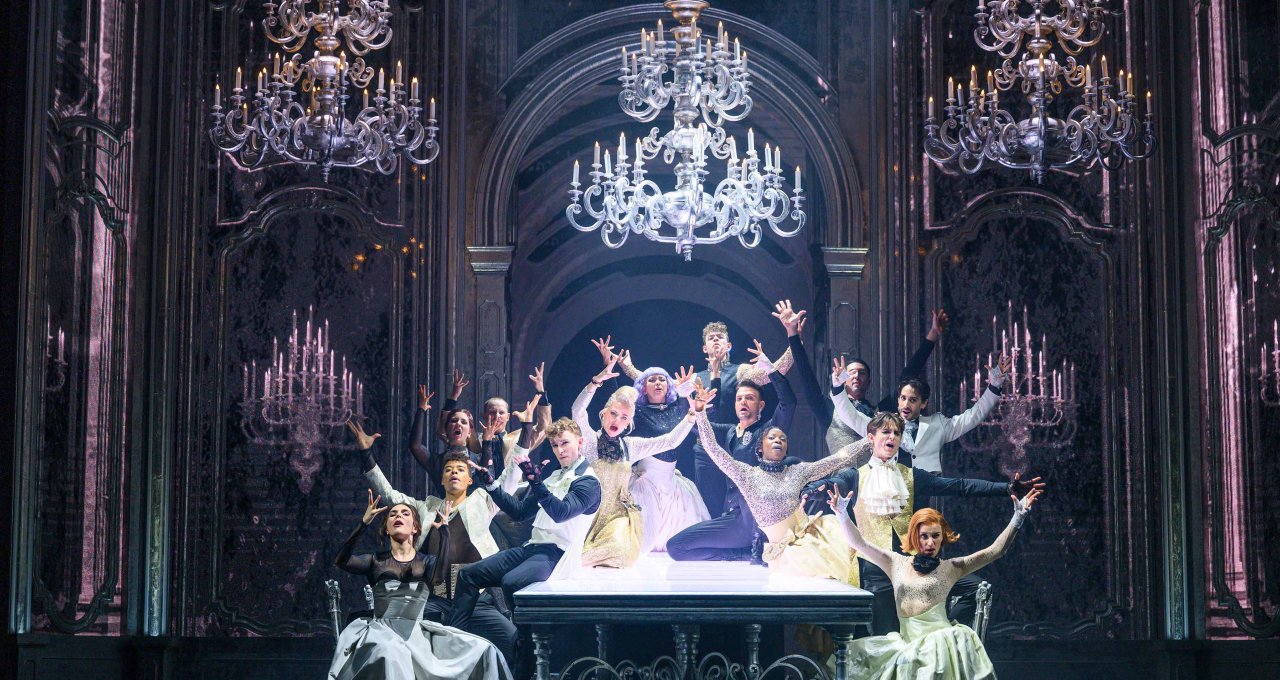
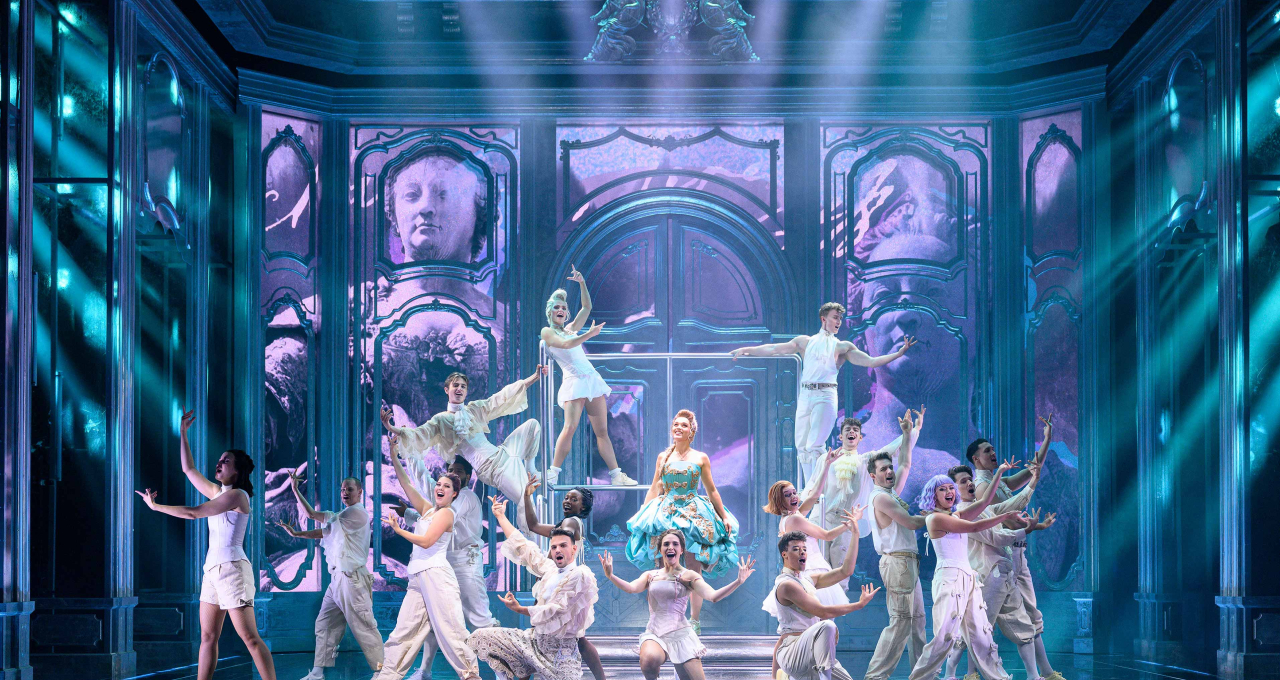
The ensemble introduces the great Empress Maria Theresia to the modern audience, as a woman who is powerful, revolutionary and deeply human (Maria Theresia – Mother of the Nation).
Act I
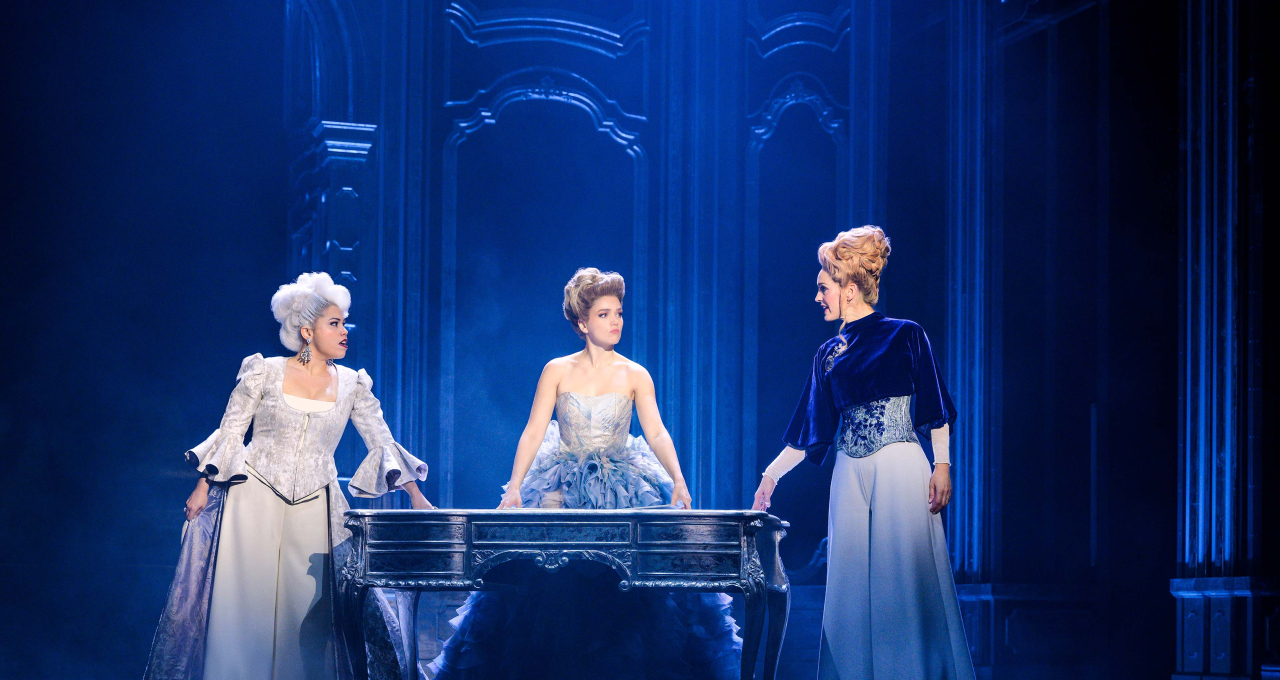
1736. The intelligent young Archduchess Maria Theresia rebels against the rigid gender roles of her era and against her traditionally-minded parents. She dreams passionately of a more just future and wants to help bring it about. She is supported in this by her warm-hearted governess, Madame Fuchs (Between Dream And Reality).
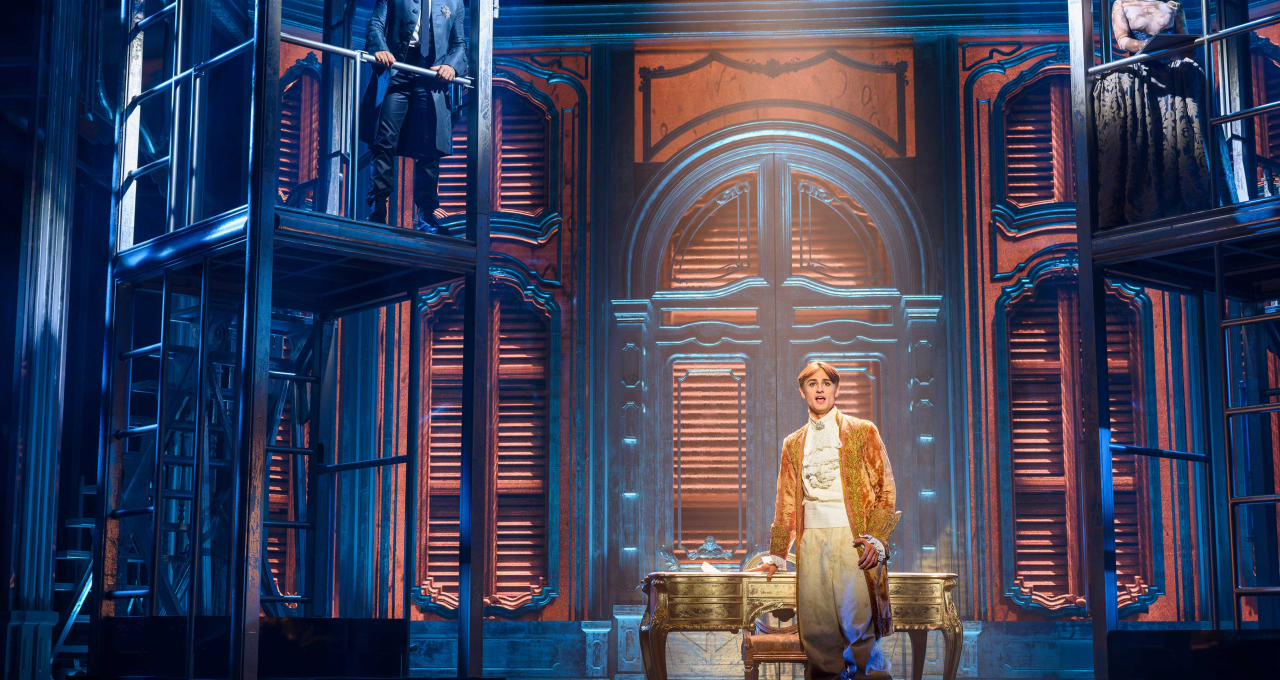
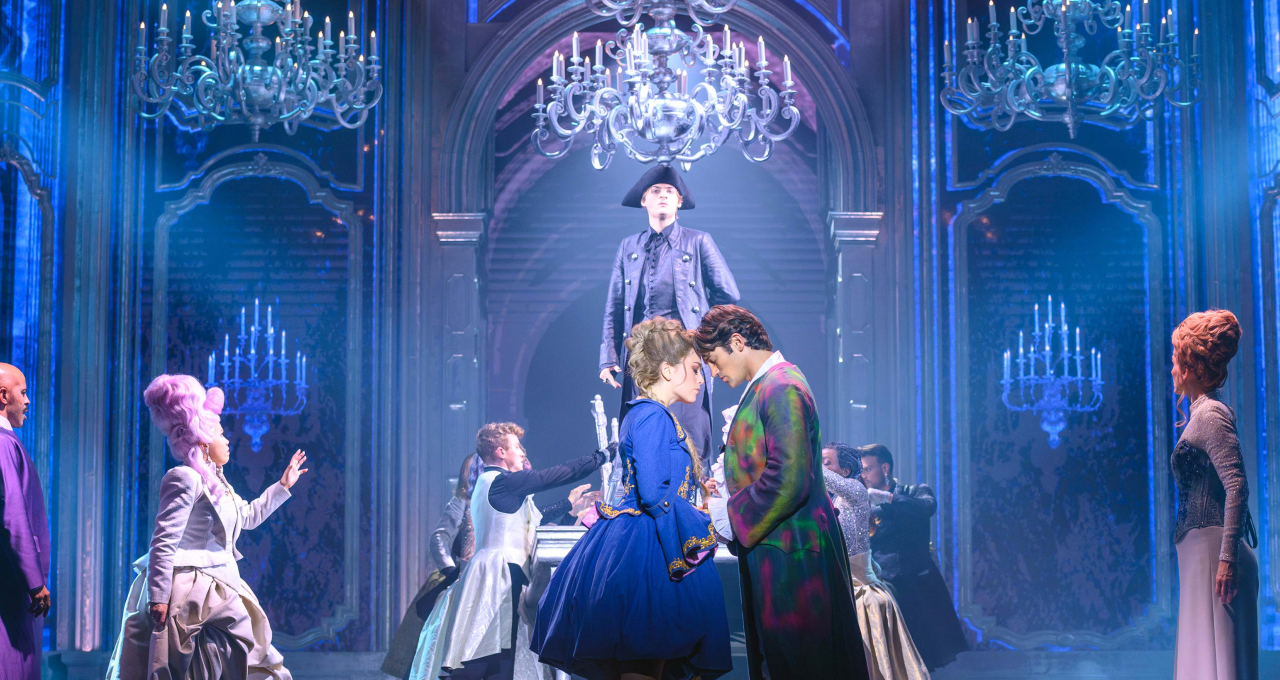
While her father, Emperor Karl VI, and his chancellor Bartenstein plan an arranged marriage behind her back in order to nip her political ambitions in the bud, Maria Theresia finds true love in the exuberant and unconventional Franz Stephan of Lorraine (Because You).
When the carefree young couple go to inform the Emperor that they intend to marry, Maria Theresia is confronted with harsh reality in the shape of the powerful and much-feared Friedrich of Prussia, who has arrived to marry her, as previously agreed with her father.
But Maria Theresia follows her heart and rejects Friedrich, causing an unprecedented scandal in front of the assembled court. Publicly humiliated, Friedrich swears merciless revenge (I Hate That I Love).
As a mere duke, Franz Stephan has to pay a high price for Maria Theresia’s hand, which severely tests the young couple's happiness. But even once they are married, the couple come under enormous pressure, because Maria Theresia, like her mother before her, gives birth to several daughters but no male heirs. Friedrich mocks her gleefully (When Will A Son Be Born?).
Then Emperor Karl dies unexpectedly and everything changes. His ‘Pragmatic Sanction’ allows a woman to ascend to the Habsburg throne for the first time ever.
Out of her depth and entirely unprepared, Maria Theresia suddenly finds herself ruler of one of the most powerful empires in Europe. She is immediately confronted with massive resistance, not only in her own country (She Can't Do It), but also from other powerful figures in Europe, who reject the idea of a woman ruler – and see her as easy prey.
Friedrich of Prussia seizes his chance and conquers Silesia, the Habsburgs' wealthiest province. Other enemies follow his lead (Die Or Flee).
Amidst the turmoil of war, Maria Theresia finally gives birth to the long-awaited heir to the throne – but the situation is dire, the empire on the brink of collapse.
As her enemies advance on Vienna, the desperate young Empress comes up with a daring plan. Bravely defying the chancellor and all her advisers, she risks everything to save her legacy (Stronger Than You Think).
-
Act II
Maria Theresia has won and is seen as a glorious ruler. Only the loss of Silesia to Friedrich remains a sore spot. However, she scores a great triumph when her political skill sees Franz Stephan crowned as Holy Roman Emperor.
Self-assured and energetic, she pushes ahead with numerous reforms – but the pace of change pushes Chancellor Bartenstein and the royal household to their limit. At the same time, she oversees, lovingly but strictly, the education of her large brood of children (Working Mum).
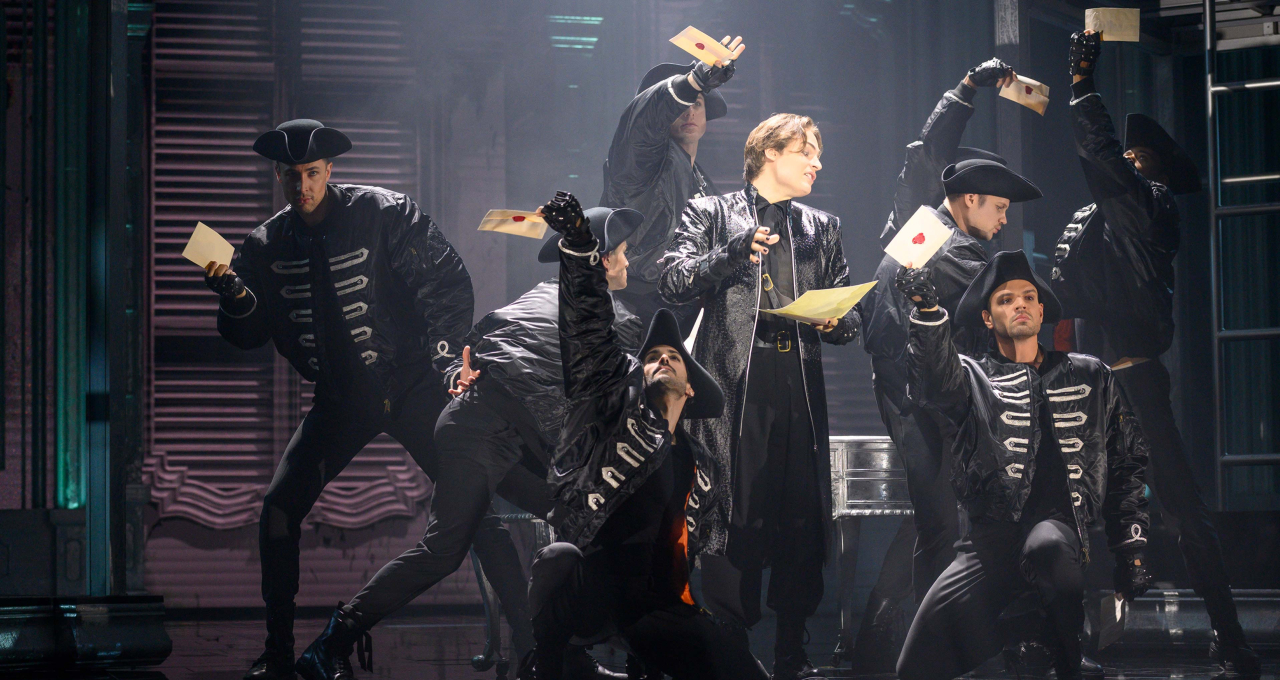
But soon a crisis arises. Her eldest son Joseph questions his mother’s decisions and develops an admiration for, of all people, her mortal enemy Friedrich of Prussia. Franz Stephan, meanwhile, feels his wife doesn’t understand him and retreats into business life (What You Do With It). Disappointed, Joseph begins a secret correspondence with Friedrich.
Far away in Prussia, Friedrich mocks the hardline marriage policy Maria Theresia imposes on her children (Marriage Roulette), while acknowledging that it greatly boosts her power.
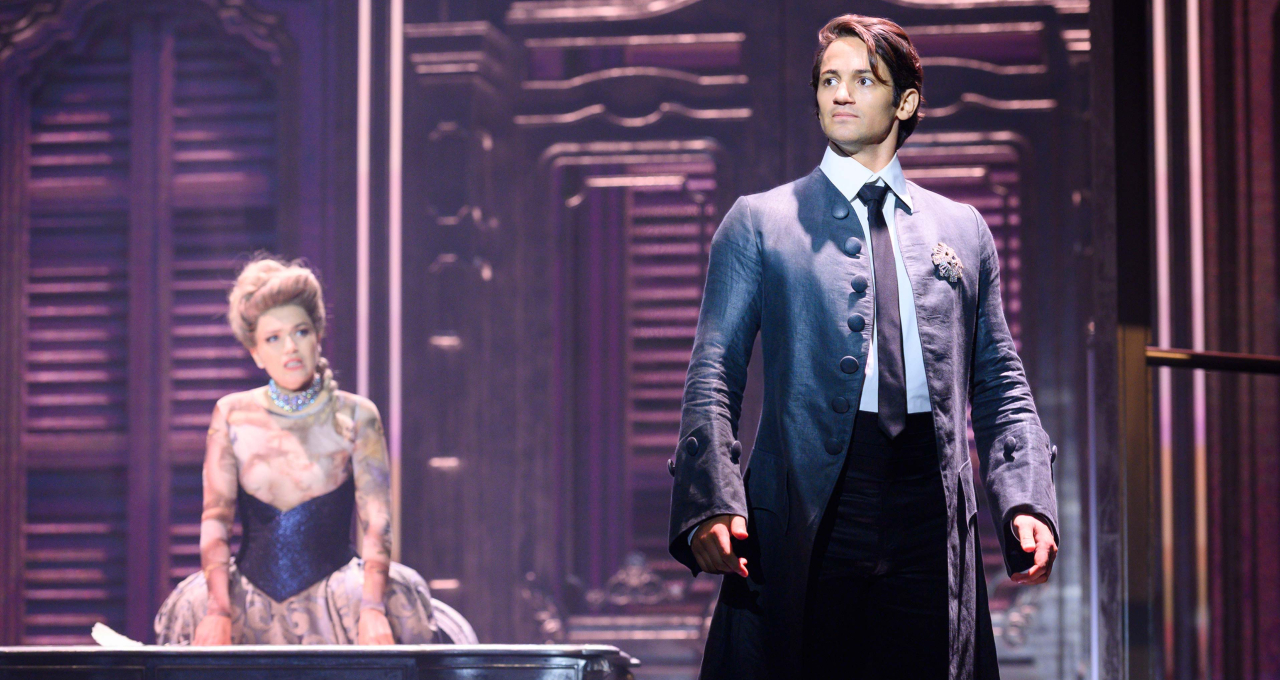
Her daughter, Marie Christine, vehemently rejects a marriage arranged by her mother and confronts Maria Theresia in a heated argument, telling her that Franz Stephan is cheating on her.
<p>The ensemble once again celebrates the woman whose reforms and courageous decisions still have an impact to this very day (<em><strong>In The Here And Now</strong></em>).</p>
Maria Theresia throws herself into her duty, drowning her pain in ever more work. Madame Fuchs lovingly encourages the Empress to open up to her husband (For What Remains Forever).
However, when Maria Theresia tries to talk to Franz Stephan, it makes things even worse (Laxenburg).
Then comes the next shock. Friedrich invades the empire again. Worse still, Joseph is revealed as his informant. War breaks out once more. Maria Theresia plunges into a deep crisis, full of self-doubt (Is Good Ever Good Enough).
But she is not as alone as she thinks she is. Her mother and Madame Fuchs give her vigorous encouragement (We Are All M.T.).
With new strength and mutual understanding, Maria Theresia succeeds in reconciling with her children and Franz Stephan (With You Alone Forever).
The war rages on year after year and Maria Theresia and Friedrich remain implacable enemies. Just when Friedrich seems to have reached the end of his rope, Franz Stephan dies unexpectedly – a turning point that boosts Prussia's military might.
Maria Theresia's grief is boundless. Nevertheless, she is determined to put an end to all this dying. She wants to pave the way for a better future. And she is prepared to take one last courageous step to achieve this: she confronts Friedrich face to face (In Peace Lies Strength; What Remains Of My Life).
Epilogue
The ensemble once again celebrates the woman whose reforms and courageous decisions still have an impact to this very day (In The Here And Now).